The 13 Best GLP-1 Weight-Loss Programs of 2026, Tested & Ranked
New telehealth GLP-1 brands launch almost every month, and the marketing all sounds identical. So I stopped reading the homepages and started reading the fine print — the dosing policies, the cancellation pages, the "what's actually included" tables — across 13 of the biggest programs. Here's how they really stack up, and the one I'd start today.
By Nora Bennett, RNRegistered nurse & health writer
13programs tested
40+hrs of research
6criteria scored
Jump to my #1 pick →Independent editorial ranking · Reflects publicly available information as of June 2026
Let's be honest about what a GLP-1 program is actually selling. Almost all of them can get a vial of semaglutide or tirzepatide into your hands — that part has become a commodity. What separates a real medical program from a slick checkout is everything that happens after the box arrives: the clinician who adjusts your dose when the nausea hits, the plan for protecting muscle while you lose fat, and the honest answer to the question nobody likes to ask — "what happens when I stop?"
That's the lens I used. I didn't just count features; I tried to imagine living with each program for a full year. Which ones still have your back in month nine? Which ones quietly raise the price once you're locked in? Which ones treat the medication as step one of real care, and which treat it as the whole product? Thirteen programs went in. Here's where they landed — worst-to-first is tempting, but I'll start at the top, because the gap between #1 and the rest was bigger than I expected.
How I tested
My six non-negotiables
Every program started at zero and earned points on the same six tests — the things that decide whether you actually reach your goal, not just whether a vial shows up.
A real licensed clinician reviews you — not an order form that rubber-stamps everyone
Honest pricing you can predict for 12 months — no surprise membership stacking
A full medication menu — semaglutide & tirzepatide, injection or tablet
Responsive ongoing care — titration, side-effect help & muscle protection
A real maintenance plan — what happens to your weight after the loss
Verifiable safety — LegitScript, licensed U.S. pharmacies, genuine privacy
A quick note on taste's equivalent here: follow-through. The best formula on paper is worthless if the program is so impersonal you quietly drift away in month three. The programs that scored highest were the ones a real person could actually stay with.
Why it won: MedicLab was the only program to score top marks on all six tests. It isn't a checkout with a vial attached — it's a full care system: a licensed doctor, predictable all-in pricing, both molecules in shot or tablet form, a portal with direct doctor messaging, a muscle-and-maintenance plan, and a 6-Month Goal Promise almost no one else offers.
What I loved
Licensed doctors in all 50 states; a real review, not a rubber stamp
Transparent pricing from $199/mo — HSA/FSA eligible, Medicare accepted
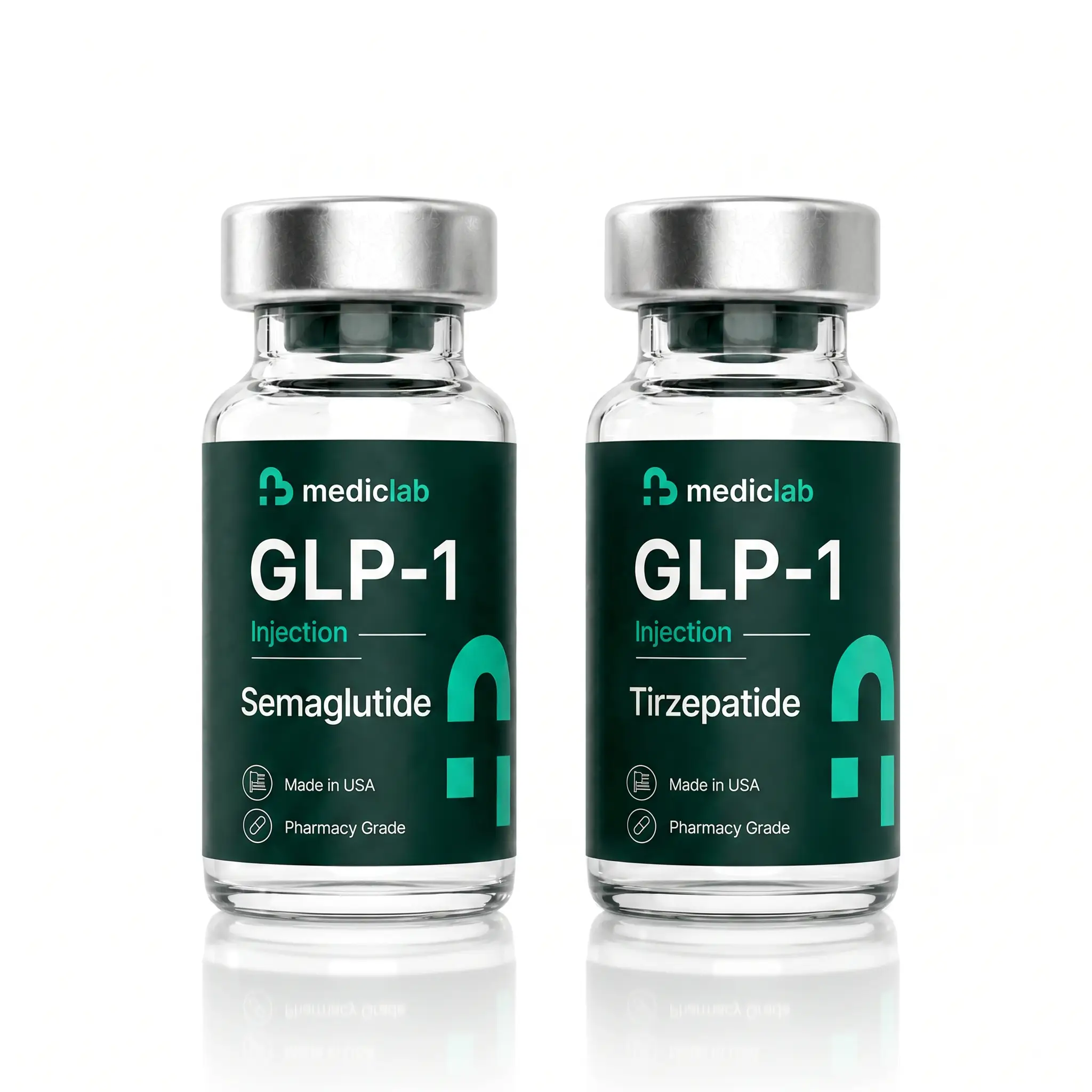
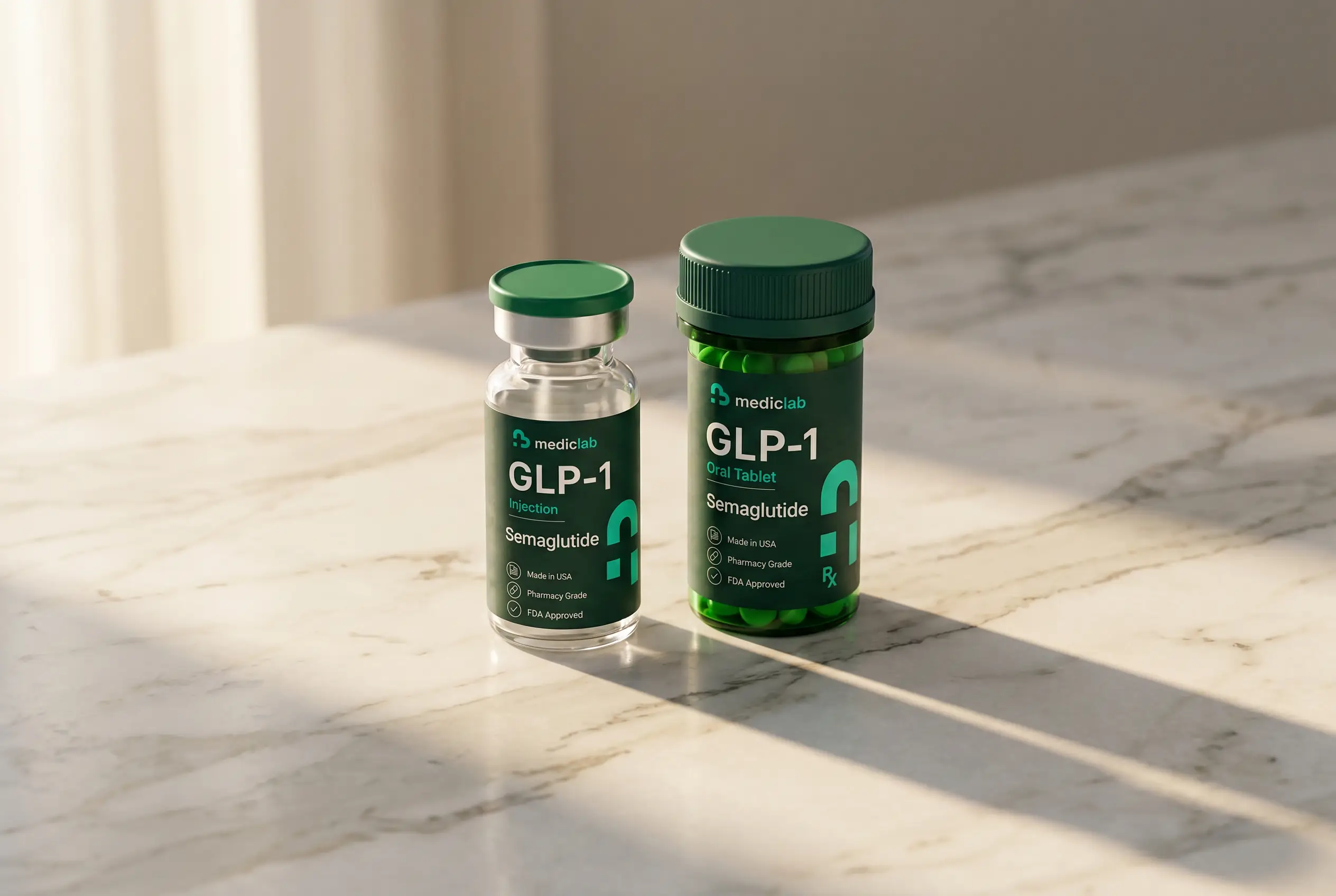
Semaglutide & tirzepatide, injection or daily tablet — the full menu
Portal with direct doctor chat; side-effect & muscle-protection protocols
6-Month Goal Promise — hit your goal or get program fees refunded*
Maintenance & regain-prevention built in; free discreet shipping
Keep in mind
Compounded options aren't FDA-approved (true across this whole category)
Online-only — no in-person clinic visits
Not the rock-bottom sticker price — but the most included for it
Most programs treat the medication as the finish line. MedicLab treats it as the starting line. From a 2-minute intake, a licensed provider actually reviews your history and only prescribes if it's appropriate — and then you keep that team. Dose adjustments, anti-nausea guidance, and slower titration get handled in the portal in hours, not weeks. That's the whole difference between "I got a vial in the mail" and "I have a doctor who's in this with me."
What you actually get
Licensed doctor review & personalized plan
Patient portal + direct doctor chat
Side-effect & muscle-protection protocols
Maintenance & regain-prevention support
The value math
At $199/mo it isn't the cheapest sticker price — but it's all-in, with the doctor, portal, protocols, and the 6-Month Goal Promise included rather than bolted on as a separate "membership" line item. When I scored total value — everything included divided by what you actually pay over a year — nothing else on this list came close.
Bottom line: if you want the medication and a medical team that walks you all the way to your goal — plus a refund promise if you do the work and don't get there — MedicLab is the one I'd start with.
2
Ro (Ro Body Program)
★★★★★★★★★★4.6 / 5
~$145–$229/mo + medication
The most established operator on the list. Ro owns its pharmacy, has years of telehealth under its belt, and a dedicated prior-authorization team that's genuinely useful if you're chasing insurance-covered brand-name meds.
Pros
Owns its pharmacy; mature, reliable infrastructure
Strong prior-auth support for brand-name coverage
Polished, trustworthy experience end to end
Cons
Subscription + medication can quietly stack up
Large scale can feel less personal
No goal-based money-back guarantee
If MedicLab is the all-in care system, Ro is the dependable incumbent. It's a genuinely strong choice — especially if your priority is getting insurance to cover a brand-name GLP-1 and you value a big, proven platform. Where it slips for me is the wraparound: the ongoing coaching and the "what happens at your goal" support are thinner, and there's no goal guarantee. For a lot of people Ro is the safe runner-up; it just doesn't walk as far with you as my #1.
3
Hims & Hers
★★★★★★★★★★4.4 / 5
Membership + medication (varies)
The slickest consumer brand in the space. If you already trust Hims for other care, the experience is familiar and frictionless — but it leans heavily on an asynchronous, questionnaire-driven model, and the membership sits on top of the medication.
Pros
Beautiful, frictionless consumer experience
Big, trusted brand with a broad product range
Cons
Membership fee on top of medication cost
Heavily asynchronous; video visits only in some states
Breadth over depth on dedicated obesity care
Hims is a marketing and UX machine, and that's not an insult — the onboarding is genuinely lovely and fast. But a great checkout isn't the same as a great program. With the membership stacked on top of medication and a model that lives largely in message threads, the all-in cost creeps and the depth of ongoing, obesity-specific support doesn't match a dedicated clinic. Great if you want a familiar brand; not my pick if you want the most care per dollar.
4
Mochi Health
★★★★★★★★★★4.3 / 5
~$179/mo + medication
The clinician's pick of the value tier. Mochi pairs obesity-medicine providers with live video visits and registered-dietitian access — noticeably more clinical depth than the bare-bones cash-pay crowd at a similar price.
Pros
Live video visits with obesity-medicine specialists
Registered-dietitian access included
Can help pursue insurance coverage
Cons
Medication billed separately from the membership
No goal-based money-back promise
Mochi punches above its price by giving you something the cheapest programs skip: actual face time with a specialist and a dietitian. For the money, that clinical depth is the most you'll find outside the top tier. It lands just below the podium because medication is billed on top of the membership and there's no goal guarantee — but if you want real human clinicians without a premium-tier bill, Mochi is an easy program to recommend.
5
Henry Meds
★★★★★★★★★★4.2 / 5
~$147 first month, then ~$199–$299/mo
The flat-rate value play. Henry built its name on simple, predictable pricing and a tirzepatide focus, with billing that's refreshingly easy to understand.
If your single criterion is a low, predictable monthly price for compounded medication, Henry is a reasonable pick and the billing is wonderfully simple. The trade-off is depth: the ongoing clinical hand-holding, the side-effect and muscle-protection protocols, and the "keep it off" phase are lighter than the programs above it. A good budget option — just not a full care system.
6
Found
★★★★★★★★★★4.1 / 5
~$129–$299/mo (bundled)
The behavior-change specialist. Found wraps medication in a genuinely strong app and coaching layer aimed at the habits around the medication, not just the molecule.
Pros
Strong behavioral coaching & habit tools
Whole-person approach, not just the script
Cons
App-first; cost can stack with add-ons
Medication sits inside a broader subscription
Found's bet is that behavior, not just biology, decides long-term success — and there's real merit to that. The coaching and app are among the best here. If you specifically want a behavior-change program with medication attached, it's worth a look. It lands mid-pack for me only because the all-in cost can climb and the clinical/medication experience is less front-and-center than the programs above it.
7
Sequence by WeightWatchers
★★★★★★★★★★3.9 / 5
~$49 intake, then ~$99/mo; best with insurance
Decades of brand trust and a real community, now paired with clinician-prescribed GLP-1s. Strongest if you want the WeightWatchers ecosystem and have commercial insurance.
Pros
Trusted brand, community & food framework
Helps navigate insurance for brand-name meds
Cons
Best value really requires insurance
Less compounding flexibility; program-heavy
Sequence earns real credit for pairing a proven community and food framework with clinician-prescribed medication. It sits mid-pack rather than higher because the best value leans on insurance, there's less compounded-medication flexibility for cash-pay patients, and the whole experience is built around the broader WeightWatchers program. A good fit for committed members; less so for someone who just wants a focused, transparent GLP-1 plan.
8
LifeMD
★★★★★★★★★★3.8 / 5
Membership + insurance-dependent
A capable full-service telehealth platform that can prescribe both brand-name and compounded options, with a dedicated prior-auth team — strongest when you have commercial insurance.
Pros
Good prior-auth help for brand-name meds
Broad primary-care platform with real providers
Cons
Value depends heavily on insurance
Membership layered on top of medication
LifeMD is a strong generalist with a genuine strength in insurance navigation. If you have commercial coverage and want help landing a brand-name prescription, it earns its place. For cash-pay patients who want a focused, all-in GLP-1 program, the membership-plus-insurance model makes the true value harder to pin down than the leaders here.
9
Calibrate
★★★★★★★★★★3.7 / 5
Premium · ~$299–$399/mo (annual)
The year-long metabolic program. Calibrate built its reputation on a structured 12-month curriculum with intensive coaching wrapped around the medication.
Pros
Structured year-long curriculum & coaching
Whole-metabolic-health framing, not just meds
Cons
Premium price; often an annual commitment
Best value tied to insurance for the medication
Calibrate is for the person who wants a serious, structured year of change and is willing to pay a premium for the curriculum and coaching. The framework is thoughtful. It lands here because the price is at the top of the market and the value leans on having insurance cover the medication itself — a big "if" for cash-pay patients comparing it to leaner, transparent programs.
10
Noom Med
★★★★★★★★★★3.6 / 5
App subscription + medication (~$129 then ~$279/mo)
Noom's psychology-first pedigree is real, and Noom Med extends it to medication, including a lower-dose "microdose" track. Best if the Noom behavior app is what you're really after.
Pros
Best-in-class behavior-change content
Huge, established user base; microdose option
Cons
App-centric; medication can feel secondary
Less hands-on clinical management
If you loved the original Noom for its psychology lessons, Noom Med is a natural extension and the behavioral content remains excellent. As a medical GLP-1 program, though, the clinical layer is lighter and the medication can feel like an add-on to the app rather than the core of a managed program.
11
PlushCare
★★★★★★★★★★3.4 / 5
From ~$75/mo + visit/membership
A primary-care telehealth service that prescribes GLP-1s through real doctor visits. Good if you want a physician relationship and may use insurance for the medication.
Pros
Real doctor visits; established primary-care platform
Can bill insurance for visits
Cons
Not a dedicated obesity program
Medication cost & wraparound support vary widely
PlushCare is really a primary-care service that happens to prescribe GLP-1s, and that framing is the point. If you value a genuine doctor visit and might run the medication through insurance, it's a sensible route. But it isn't built as a dedicated weight program, so the obesity-specific protocols, titration support, and maintenance planning aren't its focus.
12
Sesame
★★★★★★★★★★3.3 / 5
Pay-as-you-go marketplace pricing
A cash-pay healthcare marketplace with transparent, one-off pricing. Appealing if you hate subscriptions and just want a clear price for a visit and a prescription.
Pros
Transparent, upfront pay-as-you-go pricing
No required subscription to start
Cons
Marketplace model — experience varies by provider
Little built-in ongoing or maintenance support
Sesame is a clever model if you want to avoid subscriptions: you see a clear price and book a visit, full stop. The downside is that a marketplace is only as consistent as the individual provider you land with, and there's little built-in structure for titration, side effects, or the maintenance phase. Great for transparency and a one-off prescription; weak as a managed, end-to-end weight program.
13
Eden
★★★★★★★★★★3.2 / 5
Low compounded pricing; light support
The bare-bones budget option. Eden competes almost entirely on price for compounded medication, with a fast, no-frills sign-up.
Pros
Among the lowest compounded prices
Fast, no-frills sign-up
Cons
Minimal ongoing clinical support
No real maintenance or muscle-protection plan
Eden does one thing — get compounded medication to you cheaply — and it does it. If price is the only number you care about and you're comfortable managing dosing and side effects largely on your own, it's an option. It ranks last here because, judged against my six tests, the clinical support, maintenance planning, and follow-through that decide long-term success are simply not part of the package.
Side by side
How the top picks compare
Criteria
MedicLab
Ro
Hims
Mochi
Licensed clinician review
✓
✓
Async
✓ Video
Transparent all-in price
✓ From $199
+ med
Membership+
+ med
Sema + tirz, shot or tablet
✓ All four
Most
Some
Most
Portal + direct doctor chat
✓
Limited
Limited
Visits
Side-effect & muscle protocols
✓
—
—
Some
Maintenance / regain plan
✓
Some
—
Some
Goal-based money-back promise
✓ 6-Month
—
—
—
Based on publicly available information as of June 2026. Features and pricing change often — verify on each provider's official site.
My verdict, after all 13
Nora Bennett, RN · Registered nurse & health writer
Almost every program here can get a GLP-1 into your hands. Only one scored top marks on every test — clinician access, transparent pricing, both molecules, responsive ongoing care, a maintenance plan, and a money-back goal promise. If you want the medication and a team that's still with you in month nine, MedicLab is the program I'd choose.
Our #1 Pick · 4.9/5
Start with the program that ranked first.
Take MedicLab's 2-minute quiz. A licensed doctor reviews it and builds your plan — and you only pay if it's right for you.
Each program started at zero and was scored on six criteria: licensed-clinician review, pricing transparency, medication options (semaglutide & tirzepatide, injection & tablet), responsive ongoing care, a maintenance plan, and accreditation/safety. Rankings reflect editorial assessment based on publicly available information as of June 2026.
Is compounded GLP-1 the same as Ozempic or Wegovy?
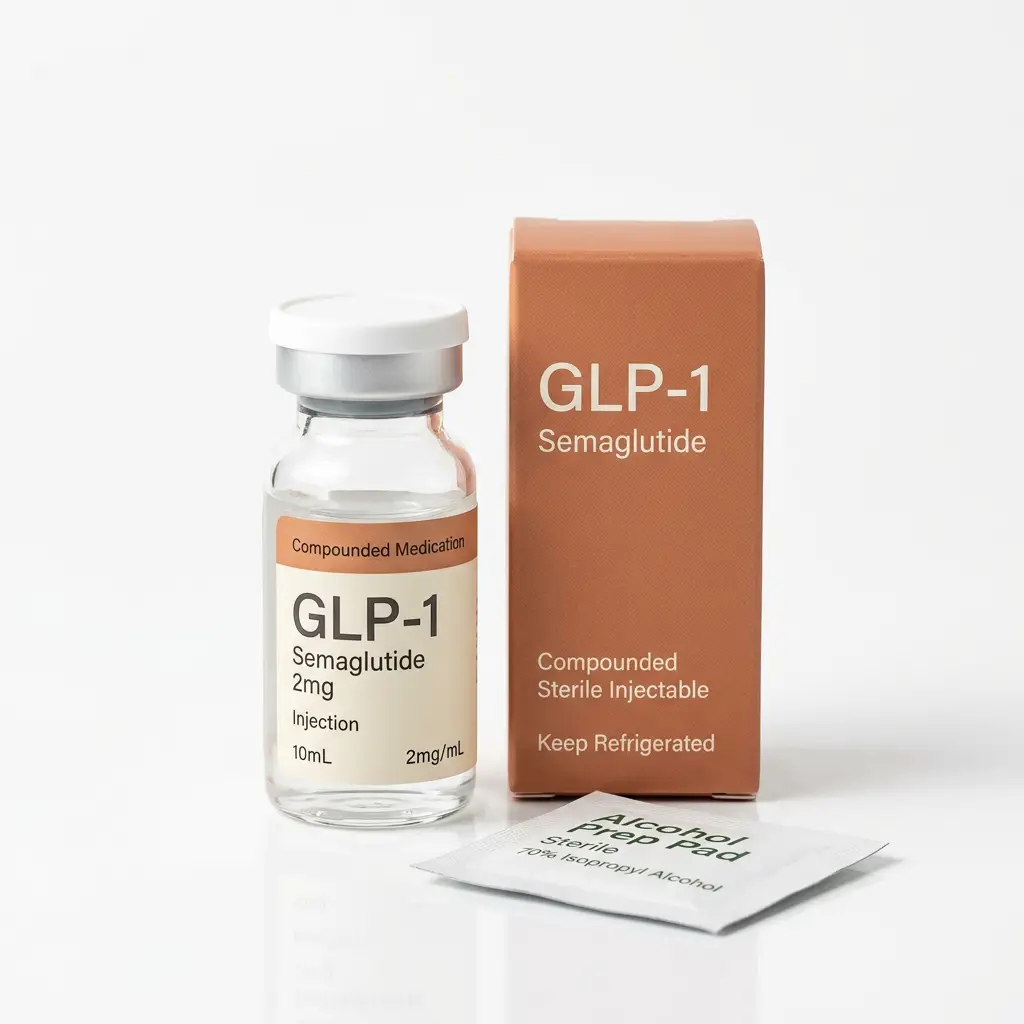
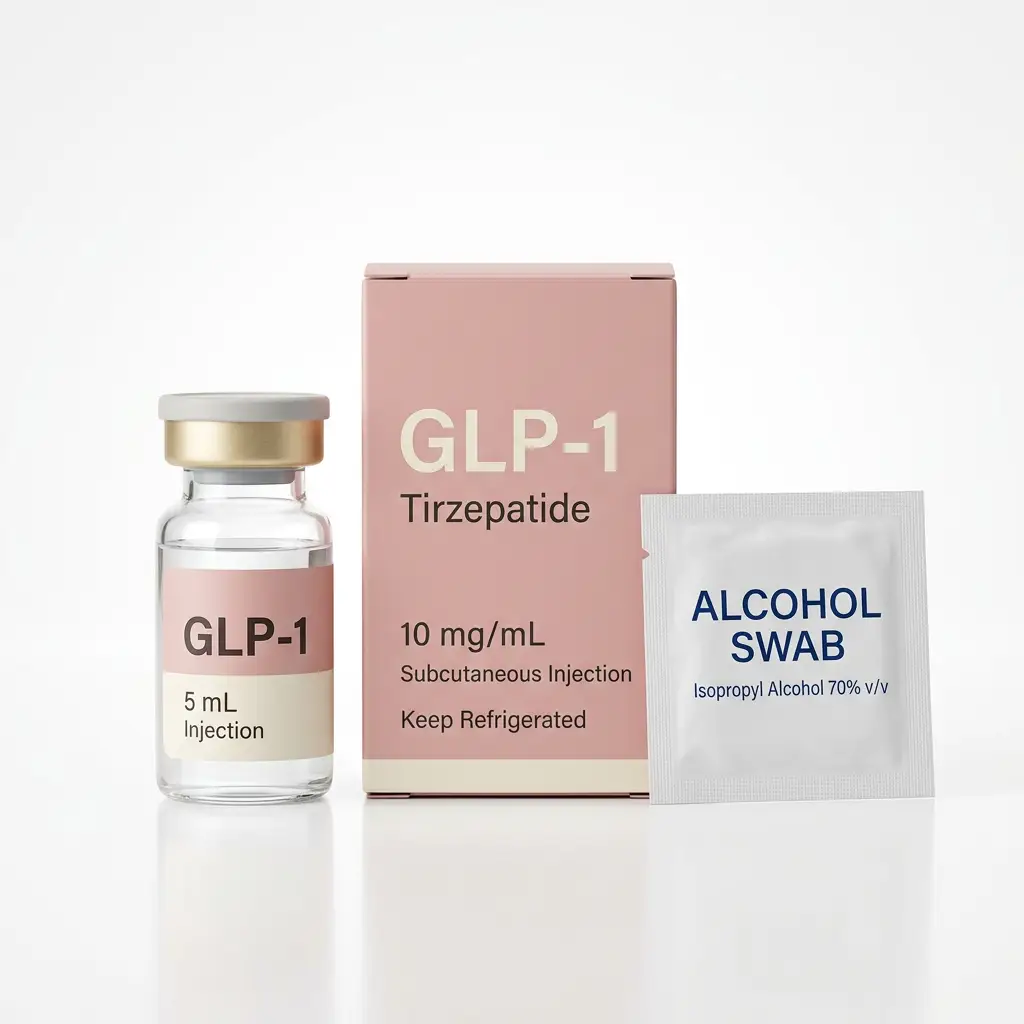
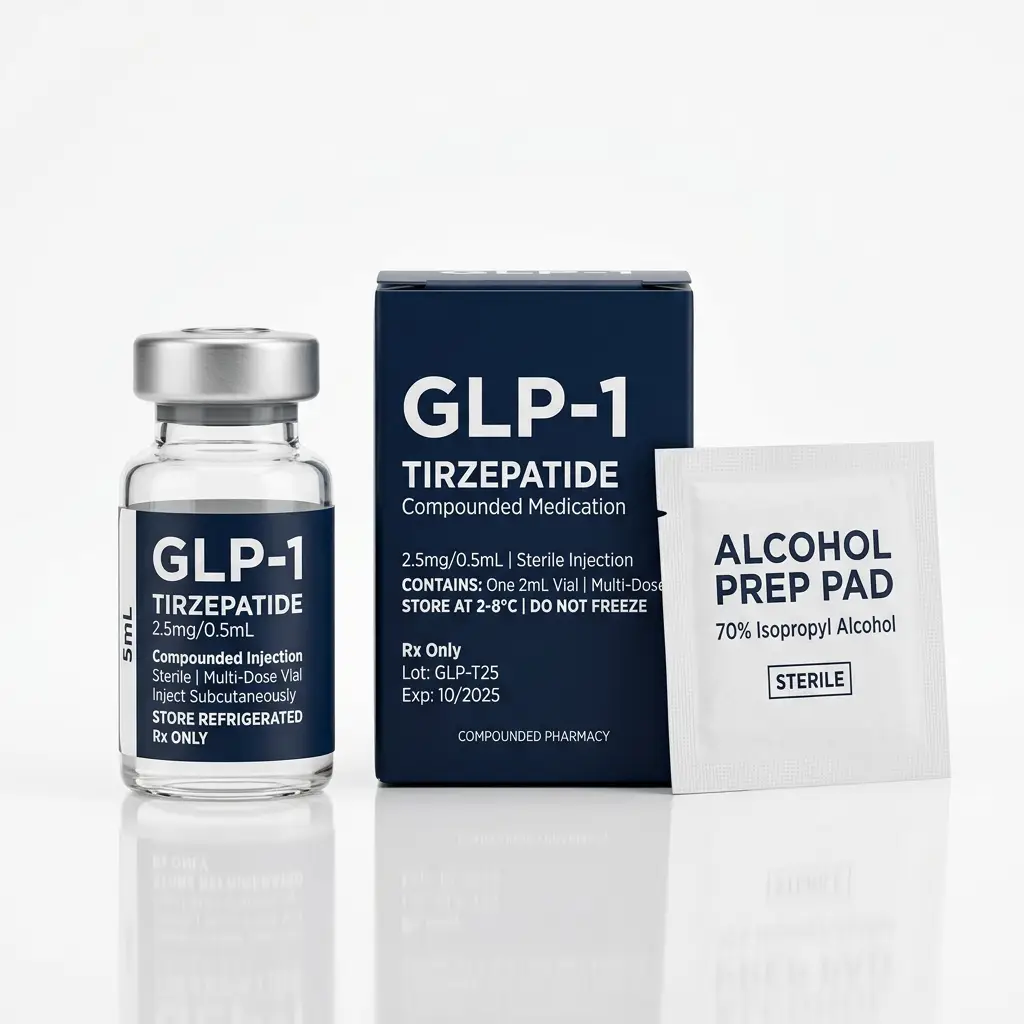
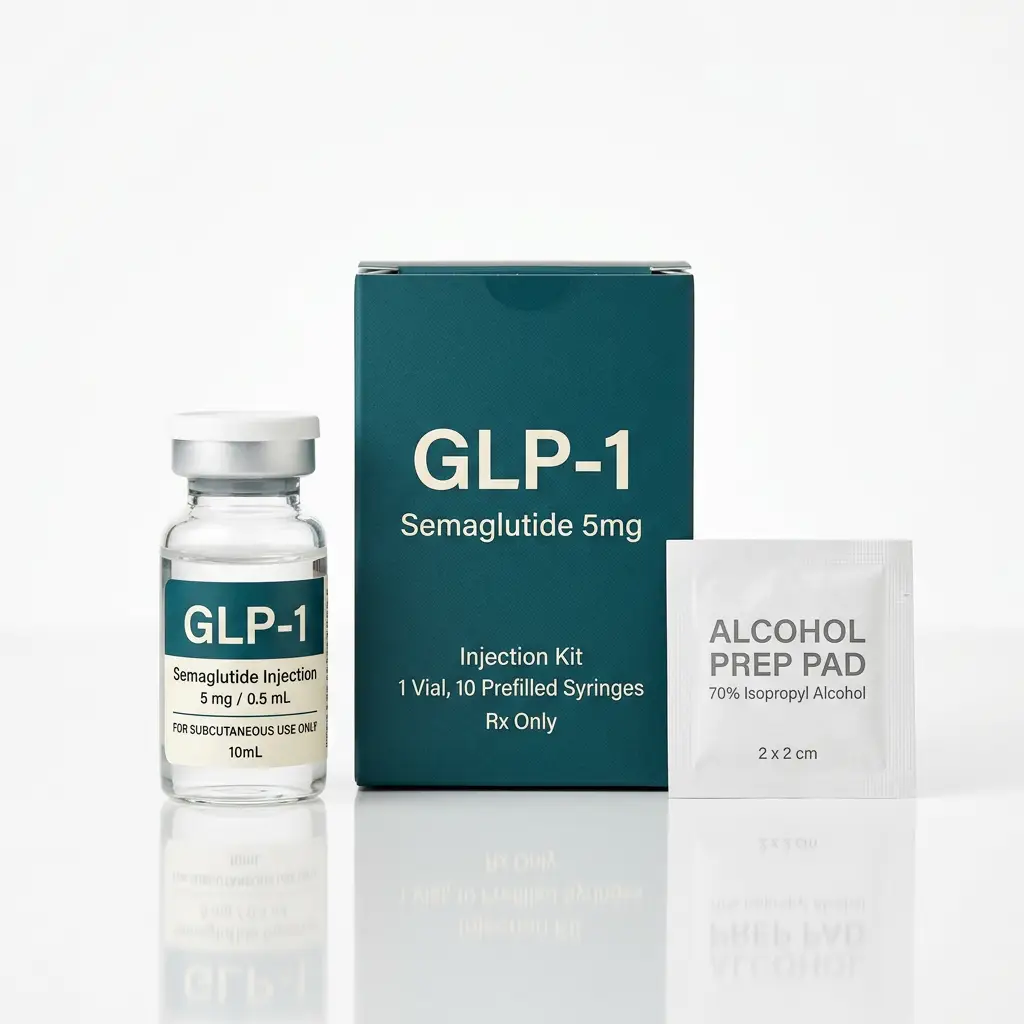
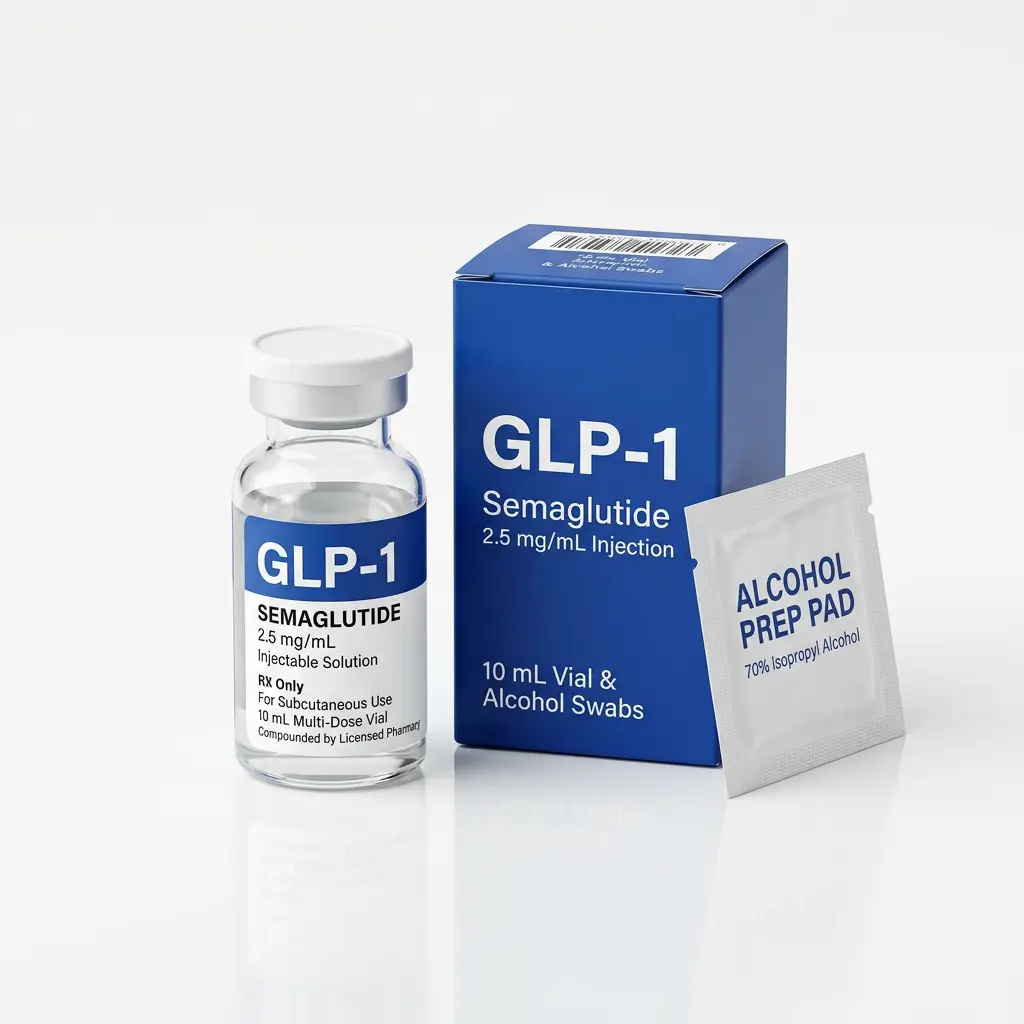
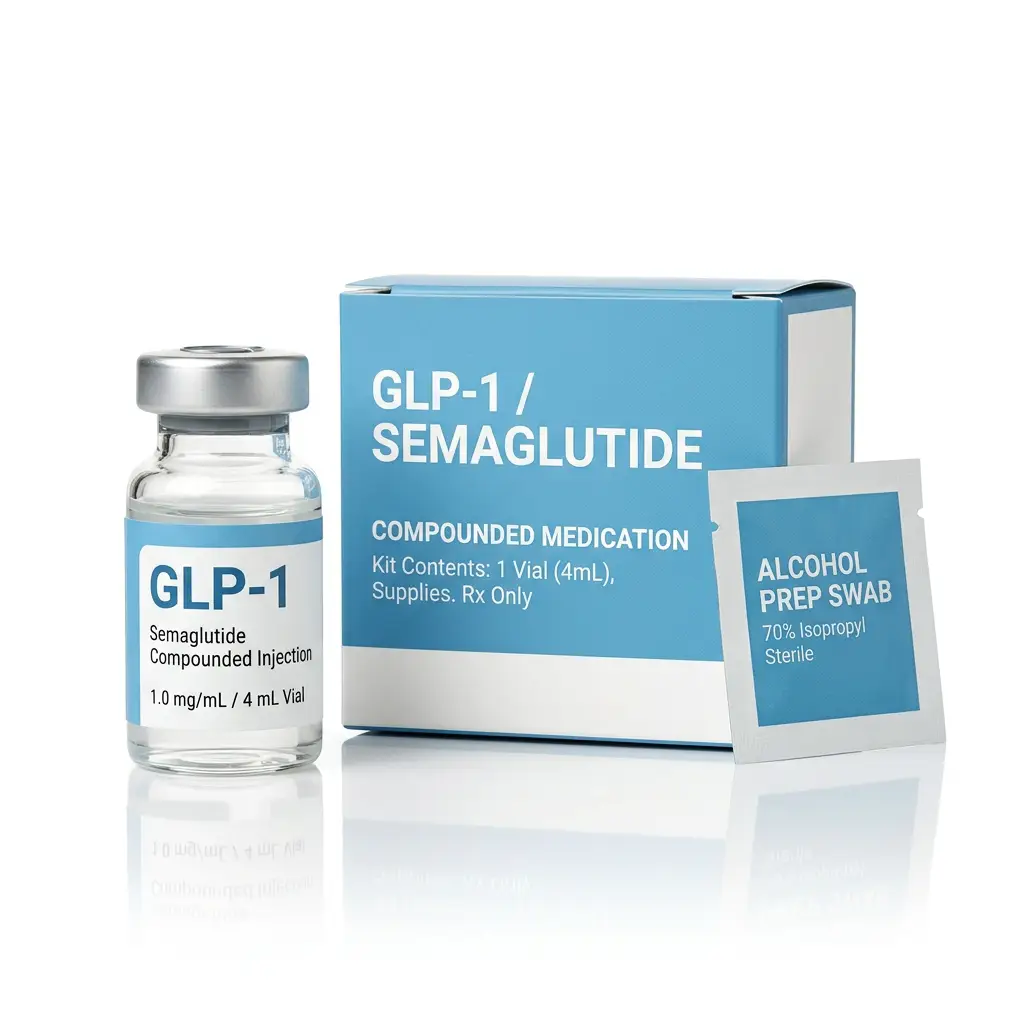
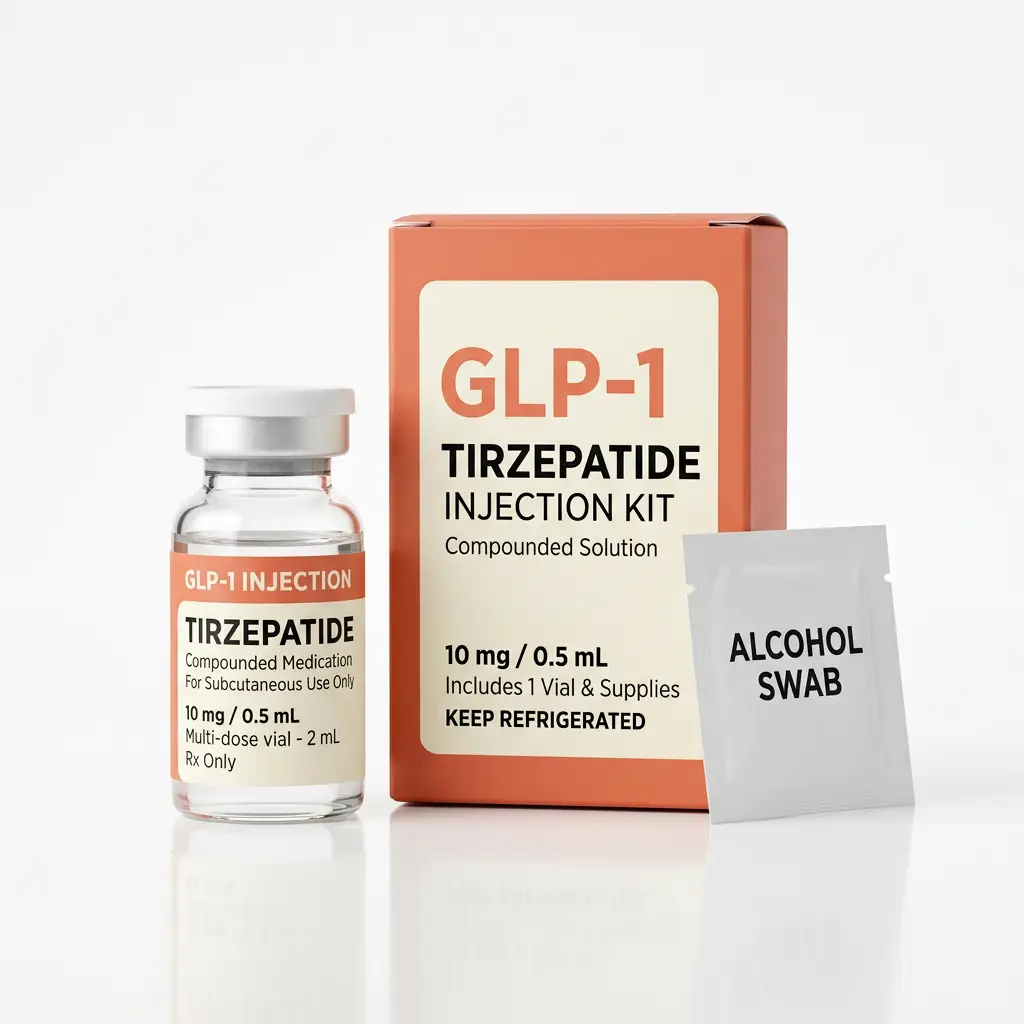
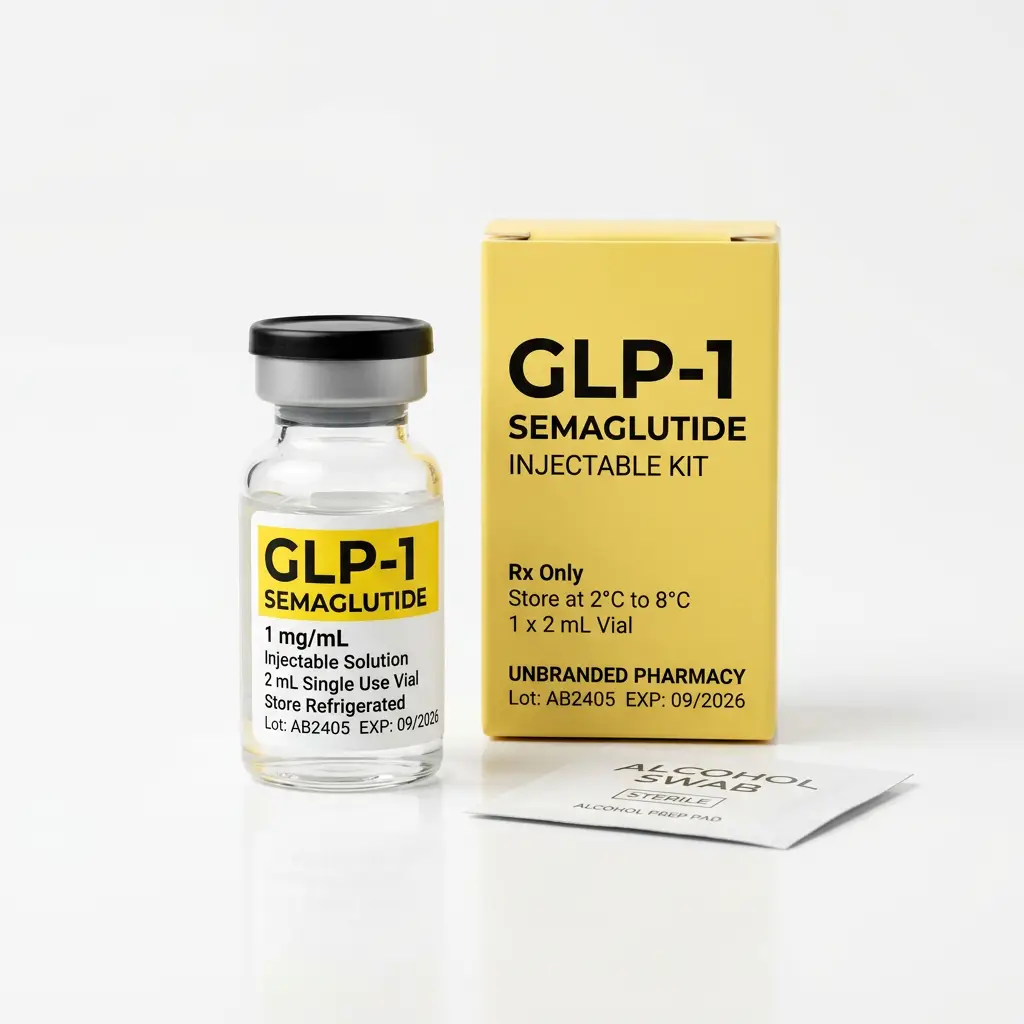
The active ingredients (semaglutide, tirzepatide) are the same molecules. Brand-name products (Wegovy®, Ozempic®, Zepbound®, Mounjaro®) are FDA-approved; compounded versions are prepared by licensed pharmacies and are not FDA-approved. Your provider will discuss which option is appropriate for you.
Will insurance cover any of this?
Sometimes. For brand-name coverage, programs with dedicated prior-authorization teams (such as Ro, LifeMD, Sequence by WeightWatchers, and Calibrate) can help. Many people pay out of pocket for compounded options; HSA/FSA funds are often eligible.
What's the catch with the cheapest options?
Usually depth of support. The lowest sticker prices often mean lighter ongoing clinical care, fewer side-effect and muscle-protection protocols, and no maintenance plan — which is exactly the phase where many people regain weight.
Why is MedicLab ranked #1?
It was the only program to score top marks on all six criteria — and the only one offering a 6-Month Goal Promise (hit your goal or get program fees refunded*). Note: this editorial review is published by MedicLab; see the disclosure below.
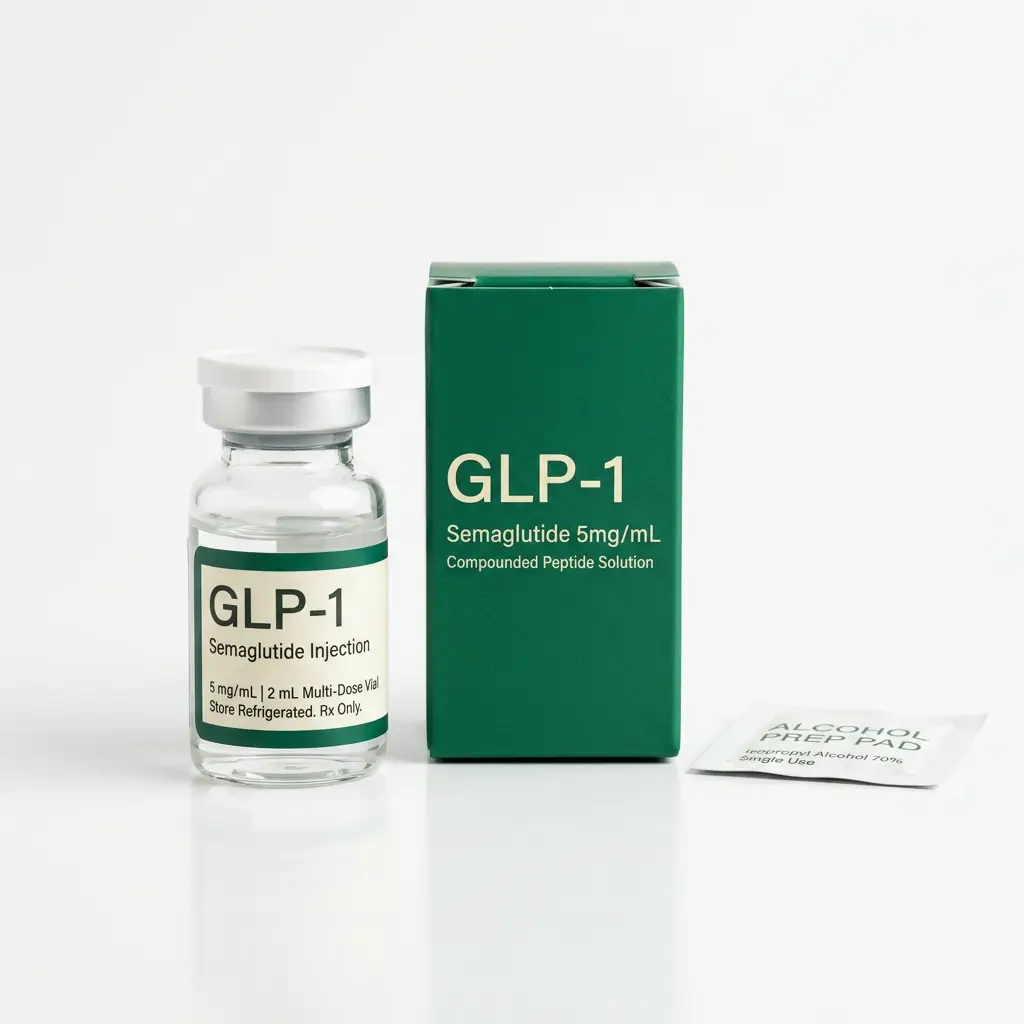
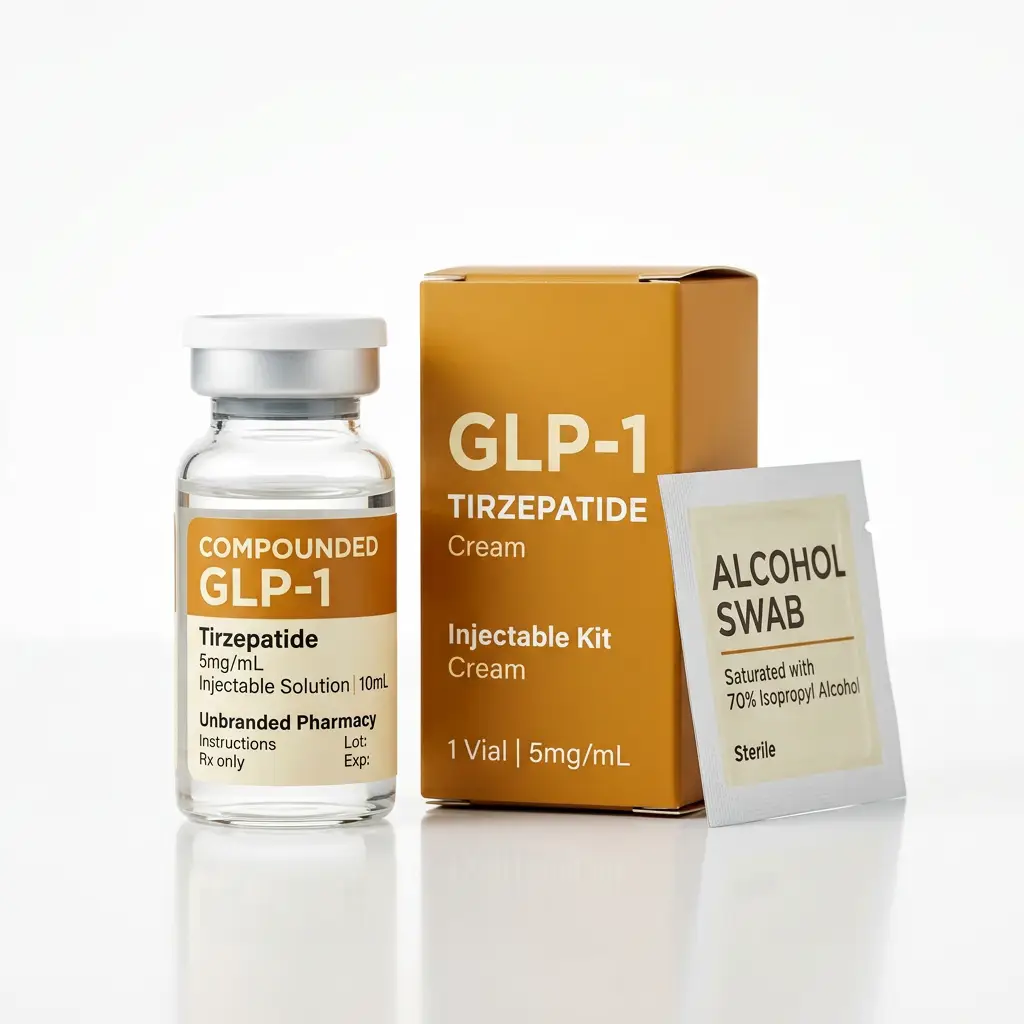
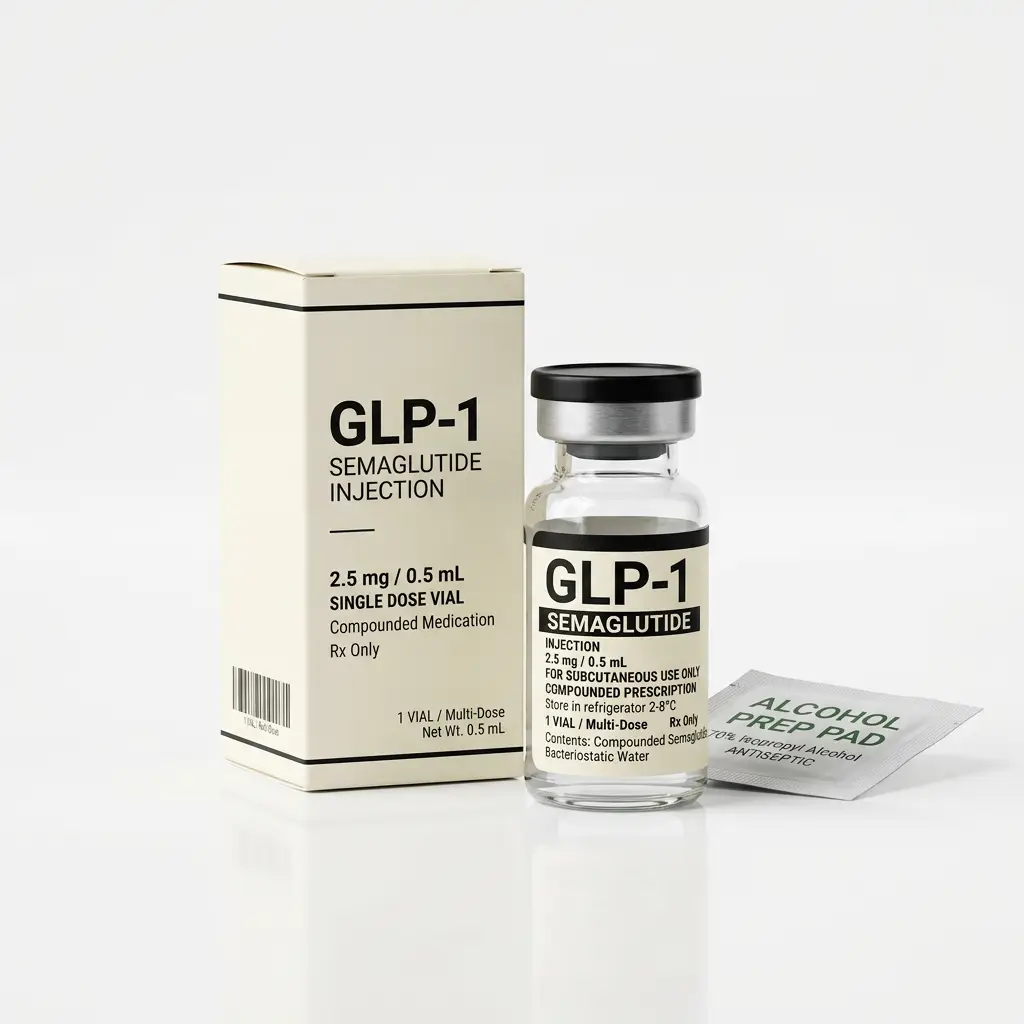
Advertising & editorial disclosure. This is an advertisement and editorial comparison presented by MedicLab, which is ranked #1 on this page. "Nora Bennett, RN" is an editorial reviewer persona used for this comparison; the assessment reflects opinion based on publicly available information about each program as of June 2026. Competitor brands (Ro, Hims & Hers, Mochi Health, Henry Meds, Found, Sequence by WeightWatchers, LifeMD, Calibrate, Noom, PlushCare, Sesame, Eden) are independent companies and are not affiliated with, and do not endorse, MedicLab; their names and marks belong to their respective owners and are used here for identification and comparison only. Product images on this page are illustrative studio renderings, not photographs of any competitor's actual packaging. Features, pricing, and availability change frequently — verify details on each provider's official site. Nothing here is medical advice. GLP-1 medications are prescription treatments with benefits and risks; a licensed provider determines appropriateness. Compounded medications are not FDA-approved. Individual results vary. In an emergency, call 911.